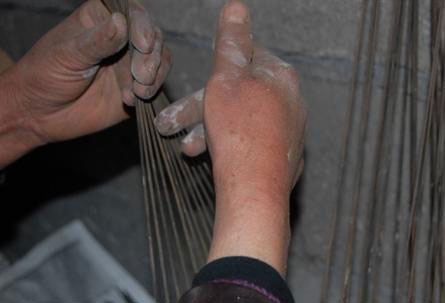
 Chinese Liuli beads, with their long history and exquisite craftsmanship, represent a brilliant gem in the nation’s cultural heritage. The city of Boshan in Shandong Province is widely recognized as one of the key birthplaces of this enduring art form.
Dating back to the late Yuan and early Ming dynasties, Liuli bead production in Boshan has a history of over 600 years. By the Ming and Qing dynasties, it had become a staple of the local economy, with workshops concentrated in streets like Xiye Jie, where nearly every household operated kilns dedicated to crafting Liuli beads and other items.
Liuli beads are primarily categorized into two types: Ganzhu (rolled beads) and Mizhu (rice beads). Ganzhu are handmade by heating and winding Liuli material onto an iron rod, then shaping it with tools and molds into diverse forms such as round, prismatic, or phoenix-eye beads. Mizhu, on the other hand, are tiny beads under 4mm in diameter, traditionally used as decorative accessories and once widely exported to regions like Xinjiang, Tibet, and Mongolia.
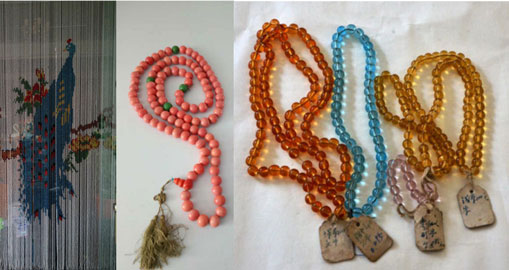
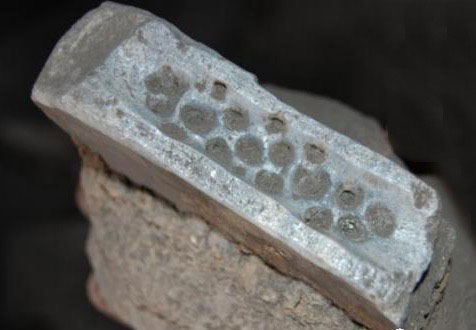
Once reserved for royalty, Liuli beads gradually became popular among the public. In the mid-20th century, Boshan Art Liuli Factory pioneered mechanized production of miniature beads, expanding their reach across China and overseas.
Although traditional handmade bead production has declined over time, its legacy continues to symbolize the skill and dedication of generations of artisans. The story of Liuli beads is not only a reflection of Boshan’s cultural identity but also a tribute to China’s rich, ongoing craft traditions.





 Home
Home ABOUT
ABOUT